Peptide Biology
A field guide to peptide degradation
Oxidation, deamidation, hydrolysis, aggregation — the main routes by which a sequence stops being itself, and the experimental fingerprints each route leaves behind.

Reference Collection
A growing reference collection examining the methods, terminology, and experimental questions behind contemporary peptide research.
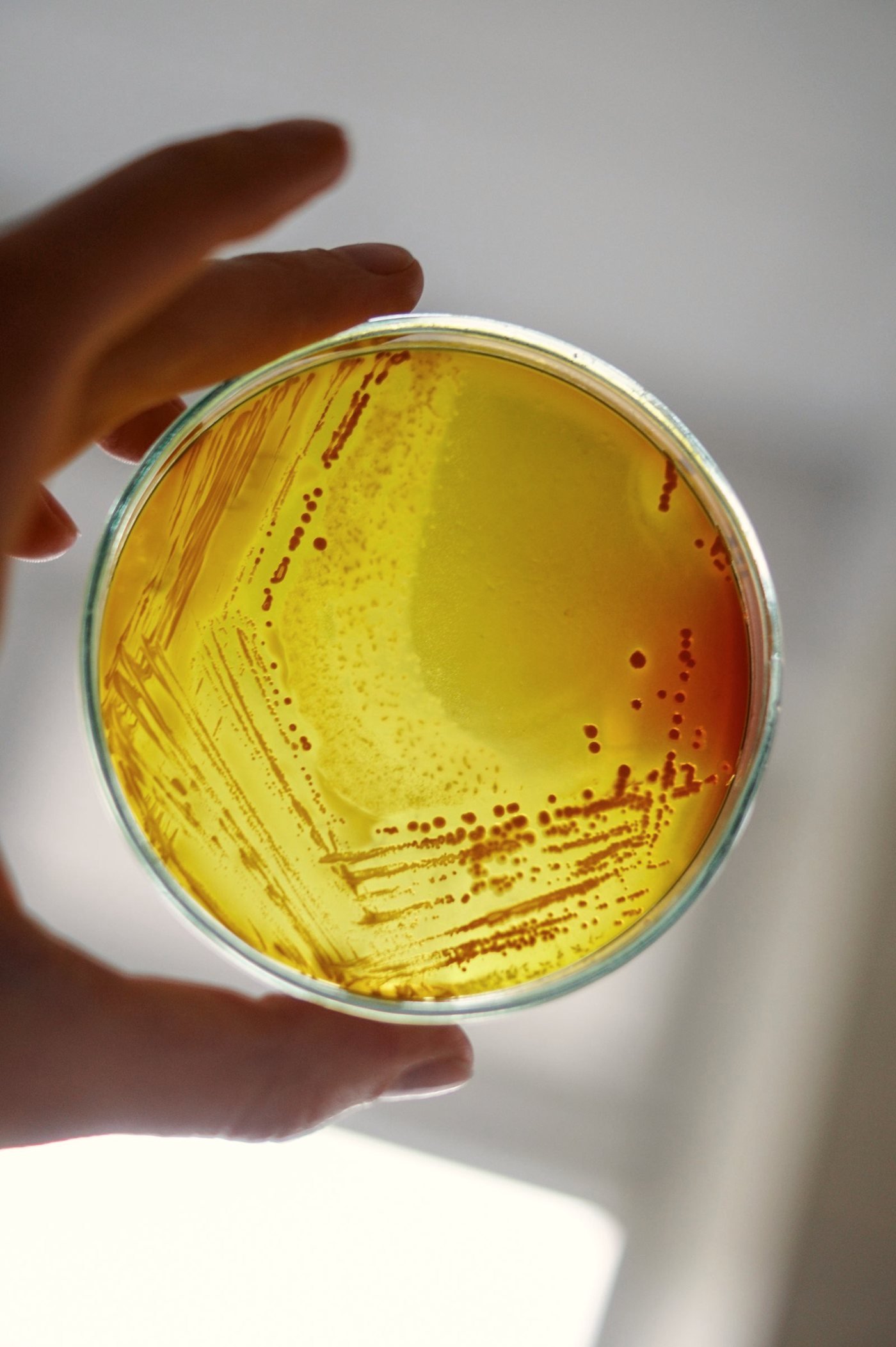
A purity percentage is a summary of what one method detected under one set of conditions. This explainer walks through what HPLC purity does and does not establish, why identity and purity are separate questions, and how to read a certificate of analysis without over-reading it.
Oxidation, deamidation, hydrolysis, aggregation — the main routes by which a sequence stops being itself, and the experimental fingerprints each route leaves behind.
A closer look at how endpoint selection can distort conclusions in early-stage peptide studies — and why the most sensitive instrument in the room still measures only what it is pointed at.
Why extending molecular persistence changes more than dosing intervals in preclinical models — and what prolonged exposure does to the interpretation of every downstream readout.
A ligand that binds tightly is not necessarily a ligand that does much. Why affinity values and functional readouts answer different questions — and where the confusion enters.
Sensitivity amplifies signal — and everything else. As detection limits fall, the background becomes the experiment.
Integration windows, baseline correction, and tailing factors quietly determine what a trace appears to report. A practical walk-through of the judgment calls inside a tidy-looking plot.
Every fitted curve smuggles in a model: monotonicity, a chosen maximum, an assumed error structure. What the fit conceals is sometimes more interesting than what it reveals.
Cell line, species, matrix, and readout window each constrain what a result can mean. A result is a property of a system, not of a molecule alone.
The term sounds like a single measurement and is actually a chain of them. Unpacking absorption, distribution, and the analytical methods that make the number possible.
Sequence composition predicts solubility behavior imperfectly, and solvent choice reshapes downstream assays. Notes on a variable that quietly governs many others.
Temperature history, container surface, freeze–thaw count, pH drift, and time. A working list from the bench side of the literature, where stability quietly governs what later experiments can show.
Reagent drift, undocumented protocol variation, and publication incentives all play a part. A clear-eyed inventory of the usual suspects.
Detection wavelength, column chemistry, and gradient design each define a boundary around what "purity" can see. Companion piece to our feature on certificates of analysis.
Occupancy is inferred, not observed directly. How competition assays and downstream signaling readouts are assembled into a claim about what is bound where.